top of page
Pearson Garden Services

Professional garden design and maintenance
WHAT TO DO IN...

January
1.Recycle your Christmas tree by shredding it for mulch
2.Ventilate the greenhouse on sunny days
3.Dig over any vacant plots that have not been dug already
4.Repair and re-shape lawn edges
5.Inspect stored tubers of Dahlia, Begonia and Canna for rots or drying out
6.Prune apple and pear trees
7.Start forcing rhubarb
8.Plan your vegetable crop rotations for the coming season
9.Keep putting out food and water for hungry birds
10.Prepare a polythene shelter for outdoor peaches and nectarines, to protect them from peach leaf curl

FEBRUARY
1.Prepare vegetable seed beds, and sow some vegetables under cover
2.Chit potato tubers
3.Protect blossom on apricots, nectarines and peaches
4.Net fruit and vegetable crops to keep the birds off
5.Prune winter-flowering shrubs that have finished flowering
6.Divide bulbs such as snowdrops, and plant those that need planting 'in the green'
7.Prune Wisteria
8.Prune hardy evergreen hedges and renovate overgrown deciduous hedges
9.Prune conservatory climbers
10.Cut back deciduous grasses left uncut over the winter

March
1.Plant shallots, onion sets and early potatoes
2.Protect new spring shoots from slugs and snails
3.Plant summer-flowering bulbs
4.Lift and divide overgrown clumps of perennials
5.Top dress containers with fresh compost
6.Mow the lawn on dry days
7.Cut back Cornus (dogwood) and Salix (willow) grown for colourful winter stems
8.Weeds come back in to growth, hand weed in borders, use Glyphosate on paths and Verdone on lawns. Always read the instructions
9.Start feeding fish and using the pond fountain
10.Open the greenhouse or conservatory doors and vents on warm days to get the air circulating


April
1. Keep those weeds under control
2. Protect fruit blossom from late frosts
3. Tie in climbing and rambling roses with string or something soft that will not cut in to the plant
4. Sow hardy annuals and herb seeds
5. Start to feed citrus plants with the specific citrus food
6. Increase the water given to houseplants
7. Feed shrubs and roses with typically used Miracle Gro
8. Sow new lawns or repair lawns with rye grass seed or use turf
9. Prune fig trees
10. Prune penstemons and other slightly tender plants such as Teucrium and lavender. Make the cuts just above fresh, new shoots.
11. Order Snowdrops in the green
12. Dead head Daffodils when the flowers have faded
May
1. Watch out for late frosts. Protect tender plants
2. Earth up potatoes, and promptly plant any still remaining
3. Plant out summer bedding at the end of the month (except in cold areas)
4. Buy a water butt and start collecting FREE rainwater
5. Regularly hoe off weeds
6. Open greenhouse vents and doors on warm days
7. Mow lawns weekly
8. Check for nesting birds before trimming hedges
9. Lift and divide overcrowded clumps of daffodils and other spring-flowering bulbs
10. Watch out for viburnum beetle and red lily beetle

June
1.Hoe borders regularly to keep down weeds
2.Be water-wise, especially in drought-affected areas
3.Pinch out side shoots on tomatoes
4.Harvest lettuce, radish, other salads and early potatoes
5.Position summer hanging baskets and containers outside
6.Cut lawns at least once a week
7.Plant out summer bedding
8.Stake tall or floppy plants
9.Prune many spring-flowering shrubs
10.Shade greenhouses to keep them cool and prevent scorching

July
1.Check clematis for signs of clematis wilt
2.Place conservatory plants outside now that it is warm
3.Water tubs and new plants if dry, but be water-wise
4.Deadhead bedding plants and repeat-flowering perennials, to ensure continuous flowering
5.Pick courgettes before they become marrows
6.Treat apple scab
7.Clear algae, blanket weeds and debris from ponds, and keep them topped up
8.Order catalogues for next year’s spring-flowering bulbs
9.Give the lawn a quick-acting summer feed, especially if a spring feed was not done
10.Give woodwork a lick of paint or preserver, while the weather is dry
11.Keep pinching out side shoots on tomatoes

August
1.Prune Wisteria
2.Don’t delay summer pruning restricted fruits
3.Deadhead flowering plants regularly
4.Watering! Particularly containers, and new plants - preferably with grey recycled water or stored rainwater
5.Collect seed from favourite plants
6.Harvest sweet corn and other vegetables as they become ready
7.Continue cutting out old fruited canes on raspberries
8.Lift and pot up rooted strawberry runners
9.Keep ponds and water features topped up
10.Feed the soil with water based feed

September
1.Divide herbaceous perennials
2.Pick autumn raspberries
3.Collect and sow seed from perennials and hardy annuals
4.Dig up remaining potatoes before slug damage spoils them
5.Net ponds before leaf fall gets underway
6.Keep up with watering of new plants, using rain or grey water if possible
7.Start to reduce the frequency of houseplant watering
8.Clean out cold frames and greenhouses so that they are ready for use in the autumn
9.Cover leafy vegetable crops with bird-proof netting
10.Plant spring flowering bulbs

October
1.Clear up fallen autumn leaves regularly with a rake or lawnmower. Try using a broom on gravel.
2.Cut back perennials that have died down
3.Divide herbaceous perennials and rhubarb crowns
4.Move tender plants, including aquatic ones, into the greenhouse
5.Plant out spring cabbages
6.Harvest apples, pears, grapes and nuts
7.Prune climbing roses
8.Order seeds for next year
9.Last chance to mow lawns and trim hedges in mild areas
10.Renovate old lawns or create new grass areas by laying turf

November
1.Clear up fallen leaves, especially from lawns, ponds and beds
2.Raise containers onto pot feet to prevent waterlogging
3.Plant tulip bulbs for a spring display
4.Prune roses to prevent wind rock
5.Plant out winter bedding
6.Cover brassicas with netting if pigeons are a problem
7.Insulate outdoor containers from frost bubblewrap or straw and paper
8.Stop winter moth damage to fruit trees using grease bands around the trunks
9.Put out bird food to encourage winter birds into the garden
10.Use a seasonal bonfire to dispose of excess debris unfit for composting
December
1.Check your winter protection structures are still securely in place
2.Check that greenhouse heaters are working
3.Prevent ponds and stand pipes from freezing
4.Prune open-grown apples and pears
5.Prune acers, birches and vines before Christmas to avoid bleeding
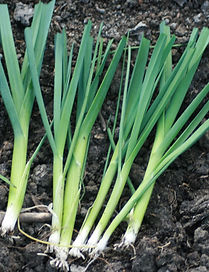
6.Harvest leeks, parsnips, winter cabbage, sprouts and remaining root crops
7.Deciduous trees and shrubs can still be planted and transplanted
8.Take hardwood cuttings
9.Keep mice away from stored produce
10.Reduce watering of houseplants
bottom of page